
2026 F-150 Payload Specifications Across Engine and Cab Options
2026 F-150 payload capacity isn’t a single number — it’s a range shaped by your engine choice, cab style, bed length, and drivetrain. As of 2026, Ottawa-area truck owners need to understand these variables before configuring or purchasing. Whether you’re a contractor in Barrhaven hauling lumber or heading to a cottage near the Rideau Lakes, […]
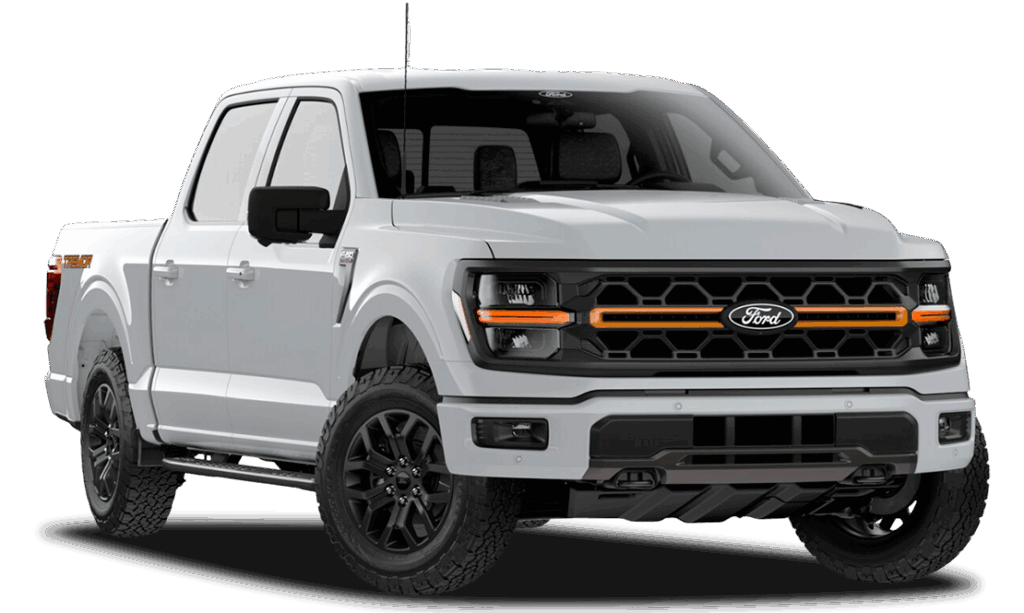
2026 F-150 payload capacity isn’t a single number — it’s a range shaped by your engine choice, cab style, bed length, and drivetrain. As of 2026, Ottawa-area truck owners need to understand these variables before configuring or purchasing. Whether you’re a contractor in Barrhaven hauling lumber or heading to a cottage near the Rideau Lakes, the right configuration makes a real difference in what you can carry.
How Engine Choice Shapes 2026 F-150 Payload Capacity
The 2026 F-150 offers six engine options for the Canadian market. Heavier engines eat into what you can carry, so your choice matters from the start.
- The twin-turbocharged 3.5L EcoBoost V6 delivers the highest maximum payload in the F-150 lineup, making it the top choice for buyers who haul heavy loads regularly
- The 5.0L Coyote V8 offers strong payload while giving you the sound of a naturally aspirated eight-cylinder
- The 2.7L EcoBoost V6 balances respectable payload with better fuel economy — 11.2 L/100 km combined in RWD
- The 3.5L PowerBoost Hybrid V6 trades some payload for the best efficiency in the lineup at 10.7 L/100 km combined in 4X4
- The Raptor’s high-output 3.5L EcoBoost and the supercharged 5.2L Raptor R carry the least payload of the bunch — they’re built for off-road performance, not maximum hauling
If payload is your top priority for the 2026 model year, the 3.5L EcoBoost V6 is the engine to spec. It pairs turbo power with the best weight-to-capability ratio in the lineup.
Cab, Bed, and Drivetrain All Change the Number
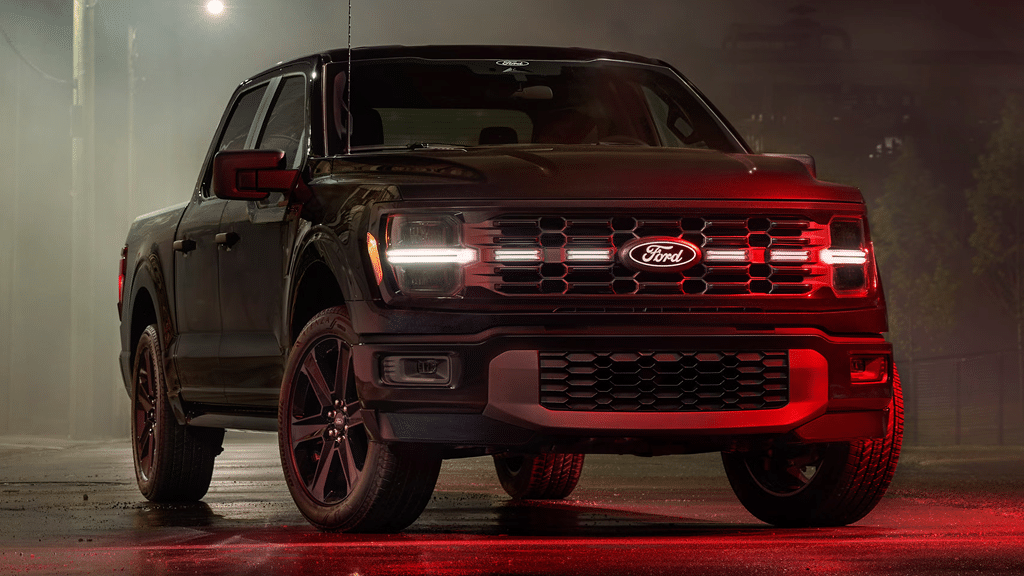
Engine choice is only one piece of the puzzle. Cab style, bed length, and drivetrain selection all affect the final payload figure.
Regular Cab is the lightest body and generally delivers the highest payload potential. SuperCab adds rear-hinged half doors and modest weight. SuperCrew offers the most interior space but also the most weight — and therefore lower payload.
Bed options run 5.5 feet, 6.5 feet, or 8 feet. A longer bed adds structural weight, which reduces payload slightly. But it also gives you more room for bulky loads like plywood sheets or landscaping materials, so there’s a genuine trade-off worth thinking through.
On the drivetrain side, choosing 4X4 adds the weight of the transfer case and front axle components. For buyers who don’t need four-wheel drive, a 2WD configuration maximises payload capacity. That said, most Ottawa truck owners opt for 4X4 given Ontario winters. It’s a worthwhile trade-off when you’re driving on icy roads in February.
The Payload Sticker That Actually Matters
The maximum payload number advertised is for one specific, optimised configuration — not necessarily the truck sitting on the lot. Every 2026 F-150 has a yellow sticker inside the driver’s door jamb showing the exact payload capacity for that individual vehicle.
The sticker displays the Gross Vehicle Weight Rating (GVWR) and the truck’s actual curb weight. Subtract curb weight from GVWR, and you have your true payload — which includes passengers, bed cargo, and anything riding in the cab.
Factory options reduce this number. A moonroof, spray-in bedliner, running boards, heavy-duty tow package — all of it adds weight. Before you sign, check the door-jamb sticker on the actual truck you’re considering — it’s the only number that counts. Our team at Barrhaven Ford’s service department can walk you through it on any truck in stock.
For broader context on how curb weight and payload interact, see our guide to understanding curb weight and payload capacity.
Payload vs. Towing: Two Different Numbers
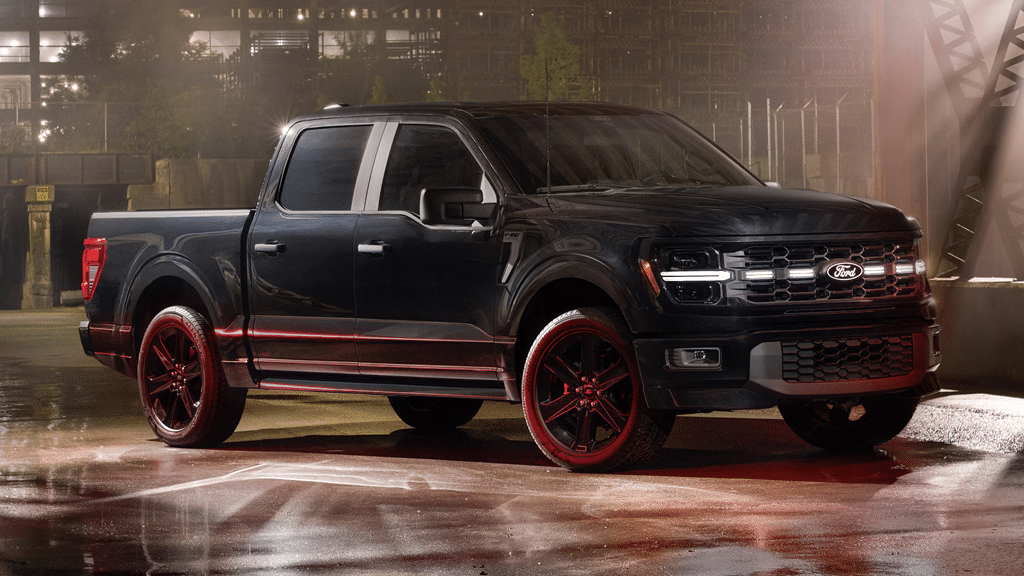
This is one of the most common points of confusion among truck buyers. Payload is how much weight the truck carries in and on itself — bed, cab, and passengers. Towing is how much it pulls behind it on a trailer.
The two figures interact directly. Your combined cargo, passengers, and tongue weight from the trailer all count against your payload. If you’re towing a boat to the Rideau Canal this summer with four adults in the cab, your available bed payload drops accordingly. Always factor in tongue weight — typically around 10% of your trailer’s total weight — when planning a tow.
What Ottawa Truck Owners Actually Haul
Payload numbers only matter in context. Here’s what those figures mean for common loads around the Ottawa area as of 2026:
- A yard of topsoil or mulch weighs roughly 900 to 1,400 lbs depending on moisture — well within any F-150 engine’s capability
- Sheets of plywood or drywall for a Barrhaven home renovation run 60 to 80 lbs each, so a dozen sheets keep you comfortably under limit
- A snowmobile weighs 400 to 600 lbs, leaving plenty of room for gear on a Gatineau Hills weekend
- Construction tools and materials for Ottawa-area trades workers typically total 800 to 1,200 lbs for a standard job-site loadout
- Salt and sand bags at 20 to 25 kg each stack up fast in winter — but even 20 bags stay well within range
For most real-world Ottawa hauling tasks, even mid-range 2026 F-150 configurations handle the job without issue. The 2026 F-150 XLT engine system breakdown is worth reading if you want to go deeper on powertrain specifics.
Picking the Right Configuration for Your Needs
Start with what you actually haul most often — not the heaviest load you might carry once a year.
- Trades workers and contractors hauling heavy loads daily should look at the 3.5L EcoBoost in a Regular Cab or SuperCab with the longest bed available
- Weekend warriors and cottage-goers who tow occasionally and want comfort should consider the SuperCrew with the 5.0L V8 or 2.7L EcoBoost
- Fuel-conscious buyers who want solid capability with the best efficiency should explore the PowerBoost Hybrid — 10.7 L/100 km combined while maintaining competitive payload
- Off-road enthusiasts should know the Raptor trades payload for trail capability. It’s purpose-built for adventure, not maximum hauling
Ford Canada provides full specs and configuration details on the official F-150 page at ford.ca. To see what’s currently available near Barrhaven, browse the 2026 F-150 inventory at Barrhaven Ford.
Frequently Asked Questions
What is the maximum 2026 F-150 payload capacity?
The highest payload rating for the 2026 model year comes from the twin-turbocharged 3.5L EcoBoost V6 in a lightweight configuration — Regular Cab, shorter bed, and rear-wheel drive. Your actual payload depends on your specific build. Every F-150 has a yellow sticker inside the driver’s door jamb showing the exact capacity for that vehicle. Check that sticker rather than relying on the advertised maximum, since factory options and accessories will reduce the figure.
How does 4X4 affect the F-150’s payload?
Four-wheel drive adds weight from the transfer case and front axle components, which reduces payload compared to an equivalent rear-wheel-drive setup. The trade-off is meaningful traction improvement during Ottawa’s winter months. Most buyers in Eastern Ontario choose 4X4 for year-round confidence, accepting the modest payload reduction as a worthwhile compromise for driving on snow-covered and icy roads.
Does the PowerBoost Hybrid have good payload capacity?
The hybrid powertrain adds battery and electric motor weight, so its payload sits below the standard 3.5L EcoBoost and the 5.0L V8. Where it shines is fuel efficiency — 10.7 L/100 km combined in 4X4, the best in the lineup. It also offers Pro Power Onboard capability for job-site use. If your hauling needs are moderate and fuel savings matter, the PowerBoost is an excellent choice for the 2026 model year.
What’s the difference between payload and towing capacity?
Payload measures what you carry inside the truck — bed cargo, passengers, and cab contents. Towing measures what you pull behind on a trailer. They’re separate ratings, but they interact: your trailer’s tongue weight counts against your payload. When towing, your available payload for bed cargo decreases. Always account for passenger weight and tongue weight before loading the bed on a trip.
Where do I find the exact payload rating for a specific F-150?
Look for the yellow weight sticker on the inside of the driver’s door jamb. It lists the Gross Vehicle Weight Rating and the truck’s curb weight. Subtract curb weight from GVWR and that’s your payload figure — one that accounts for every factory-installed option on that specific vehicle. If you’d like help reading the sticker on a truck you’re considering, the team at Barrhaven Ford in Ottawa will walk you through it.
Does bed length affect payload capacity?
Yes. A longer bed means more structural weight, which slightly reduces payload compared to a shorter bed on the same engine and cab combination. That said, the longer bed offers more cargo volume for bulky items. If you’re hauling dense, heavy materials, a shorter bed may give you a bit more weight capacity. If you’re hauling large but lighter items like insulation or furniture, the longer bed has practical advantages worth considering.
Should Ottawa buyers choose RWD or 4X4 for the best payload?
RWD maximises payload because it weighs less than a 4X4 drivetrain. But given Ottawa and Barrhaven’s winter conditions — snow, ice, and cold temperatures from November through March — most local buyers find 4X4 essential for safe daily driving. The payload difference is modest, and the traction benefit on Ontario roads is significant. If you primarily drive in controlled or dry conditions, RWD is a legitimate way to gain a bit of hauling capacity.
Image alt text: 2026 Ford F-150 payload capacity configurations shown across engine and cab options at Barrhaven Ford in Ottawa
Disclaimer: Content contained in this post is for informational purposes only and may include features and options from US or international models. Please contact the dealership for more information or to confirm vehicle, feature availability.


