
Ford Transit 2026 Business Van Configurations and Features
Ford Transit 2026 configurations deliver commercial versatility across cargo, passenger, crew, and cutaway options with available AWD systems. Ottawa businesses rely on the Transit’s proven performance through harsh Canadian winters and demanding commercial applications. As of 2025, Ford continues expanding configuration choices to match virtually any commercial need. If you run a business in Ottawa, […]
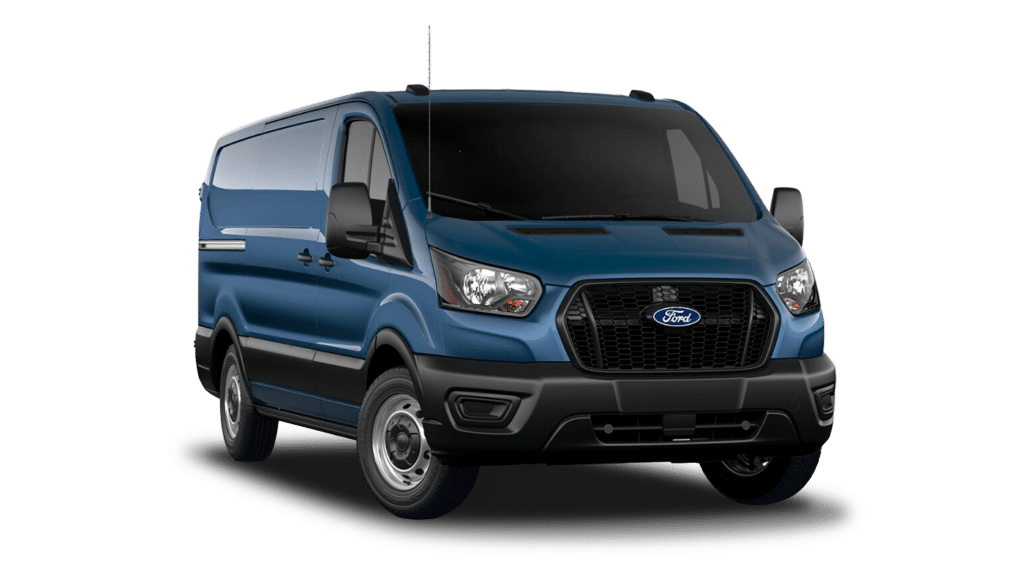
Ford Transit 2026 configurations deliver commercial versatility across cargo, passenger, crew, and cutaway options with available AWD systems. Ottawa businesses rely on the Transit’s proven performance through harsh Canadian winters and demanding commercial applications. As of 2025, Ford continues expanding configuration choices to match virtually any commercial need.
If you run a business in Ottawa, your vehicle isn’t just transportation. It’s your mobile office, your warehouse on wheels, and sometimes your first impression with customers. The wrong choice costs you time and money. Period.
The 2026 Ford Transit remains one of the most versatile commercial vans on the Canadian market. For the 2026 model year, it offers a staggering range of configurations built to match virtually any commercial need. Whether you’re a plumber hauling equipment through Barrhaven’s residential neighbourhoods or a shuttle operator ferrying passengers across Ottawa, there’s a Transit built for exactly what you do.
Here’s everything that matters about the 2026 Transit — configurations, powertrains, technology, and how it handles real Ottawa conditions.
2026 Ford Transit Configurations That Match Every Job
One of the Transit’s greatest strengths? Its flexibility. No other full-size van in Canada offers this many configuration options under a single nameplate. Ford builds the 2026 Transit in five distinct body styles, each designed for a specific commercial purpose.
Cargo Van
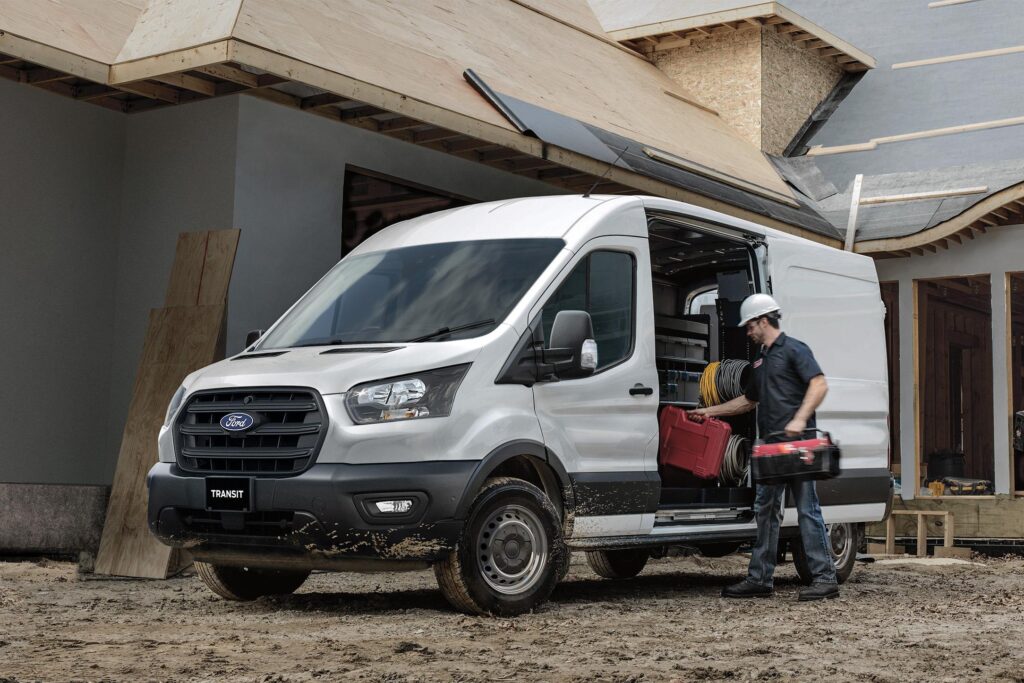
This is the backbone of the lineup. It comes in four weight classes: T-150, T-250, T-350, and T-350 HD (the HD adds dual rear wheels for maximum payload). You can choose from three roof heights — Low, Medium, or High — and multiple wheelbases and lengths. The High Roof Extended configuration offers up to 487.3 cubic feet of cargo space, which is enough room to fit full sheets of plywood flat. No creative Tetris arrangements required.
Crew Van
The Crew Van splits the difference between cargo hauling and people moving. It adds a second-row bench seat behind the driver while keeping substantial cargo space behind the passengers. It’s the ideal setup for trades crews who need to carry both their team and their tools to the jobsite.
Passenger Van
Available in 8-, 10-, 12-, or 15-passenger seating configurations, the Transit Passenger Van serves hotels, churches, senior living facilities, and airport shuttle operations across the Ottawa region. The variety of seating layouts means you’re not paying for capacity you don’t need.
Cutaway and Chassis Cab
For businesses that need specialty upfits — think box trucks, ambulances, mobile workshops, or food trucks — the Cutaway and Chassis Cab configurations provide the foundation. You get the Transit’s proven drivetrain and cab, then build whatever you need behind it.
Ford Transit 2026 Powertrain Options Built for Work
The 2026 Ford Transit offers two engine choices, both paired with a smooth 10-speed automatic transmission across every configuration.
3.5L PFDi V6
The base engine uses Port Fuel Direct Injection technology, which delivers reliable power for everyday commercial duty. It’s a proven powerplant that focuses on durability and consistent performance over outright output — exactly what you want in a vehicle that needs to start every single morning. Including those minus-30 Ottawa mornings in January.
3.5L EcoBoost V6
The optional twin-turbocharged EcoBoost V6 is where things get serious. The EcoBoost delivers notably stronger acceleration and pulling power, making it the smart choice for heavier loads and frequent highway merging. If your Transit is regularly loaded close to capacity, this engine pays for itself.
Drivetrain: RWD and Available AWD
Rear-wheel drive comes standard across the lineup. But here’s where Ottawa buyers should pay attention: Ford offers Intelligent All-Wheel Drive on most cargo and passenger van configurations. For businesses that can’t afford snow days — and in this city, that should be all of them — available AWD provides real confidence on icy side streets and unploughed construction sites.
Technology and Safety Features for 2026
The Transit isn’t just a metal box on wheels anymore. As of 2026, it comes equipped with technology that actually makes your workday easier and safer.
SYNC 4 Infotainment
Ford’s SYNC 4 system brings responsive navigation, smartphone integration, and voice commands that actually understand what you’re saying. For drivers covering routes across Ottawa’s sprawling layout — from Kanata to Orléans — having reliable, intuitive navigation matters more than you’d think.
Ford Co-Pilot360
The Co-Pilot360 safety suite brings driver-assist technologies that reduce fatigue and help prevent collisions. When your drivers are navigating tight loading docks in the ByWard Market or merging onto the 417 during rush hour, these systems provide a real layer of protection.
Key safety features in the Co-Pilot360 suite include:
- Pre-Collision Assist with Automatic Emergency Braking
- Blind Spot Information System (especially valuable with a long cargo body)
- Lane-Keeping System
- Auto High-Beam Headlamps
- Rear View Camera
For fleet managers, these safety technologies can seriously reduce incident rates and the associated costs. That’s not just a safety benefit — it’s a business benefit.
How the Transit Handles Ottawa’s Toughest Conditions
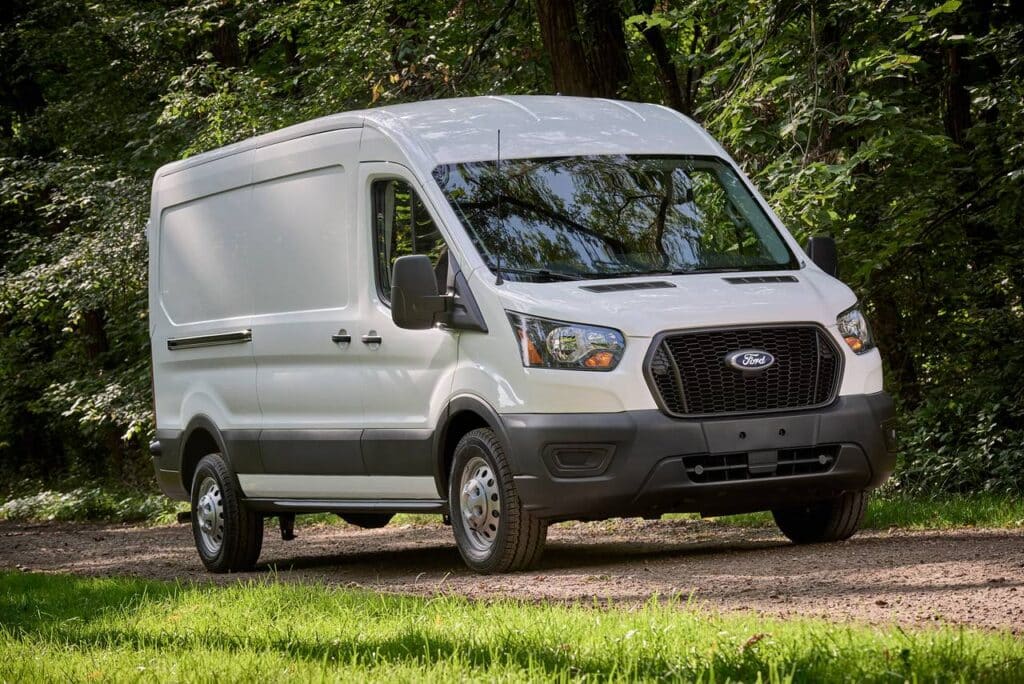
Let’s be honest about Ottawa winters. They’re long, they’re harsh, and they don’t care about your delivery schedule. Here’s how the 2026 Transit earns its place in this climate.
Cold-Weather Confidence
The Transit’s available AWD system distributes power to all four wheels automatically when it detects slipping. That matters in April 2026 just as much as it does in February — Ottawa’s freeze-thaw cycles create unpredictable road conditions well into spring. Pair AWD with proper winter tyres, and you’ve got a commercial van that keeps working when conditions turn ugly.
Manoeuvrability in Urban Ottawa
Despite its size, the Transit’s turning radius is surprisingly manageable. Navigating Barrhaven’s residential crescents, backing into tight commercial loading bays along Merivale Road, or threading through downtown Ottawa’s narrower streets — it handles better than its footprint suggests.
Heating and Comfort
For crews who spend hours in the van between stops, the Transit’s climate control system warms the cabin efficiently. The available rear heating options keep passenger van configurations comfortable for every occupant, not just the driver.
Commercial Applications Across Ottawa
The Transit’s flexibility means it shows up in virtually every industry around the National Capital Region. Here are the most common applications we see.
Trades and Construction
- Electricians, plumbers, and HVAC technicians benefit from the High Roof configurations — you can stand up inside and organise shelving systems properly
- The T-350 HD with dual rear wheels handles heavier loads of materials and equipment
- Multiple wheelbase options let you match the van to your typical payload
Delivery and Courier Services
- E-commerce growth has driven massive demand for last-mile delivery vehicles
- The Low Roof Cargo Van slips into parking garages and drive-throughs that taller vans can’t access
- Available upfit options from Ford-certified partners make cargo organisation efficient
Passenger Transportation
- Hotel shuttles, tour operators, and assisted living transport services
- 15-passenger configuration provides maximum capacity
- The Transit Passenger Van is the go-to choice for Ottawa organisations that need to move groups reliably year-round
Government and Institutional Fleets
Ottawa’s proximity to federal government offices and institutions creates steady demand for fleet vehicles. The Transit’s range of configurations and proven reliability make it a natural fit for fleet purchasing programmes.
Why Ottawa Businesses Choose Barrhaven Ford
Buying a commercial van is a business decision, not just a vehicle purchase. When your Transit needs service, you need a dealership that understands commercial priorities — minimal downtime, efficient repairs, and parts availability.
The team at Barrhaven Ford’s service department works with Transit owners daily and understands the specific maintenance needs of commercial vans. Located right in Barrhaven, you avoid fighting downtown traffic for routine service appointments.
For businesses looking at complete commercial vehicle solutions, The 2026 Ford Transit Van Delivers Commercial Excellence in Ottawa provides additional insights into fleet management and applications. Plus, Ottawa businesses frequently compare commercial options, making the 2026 Ford Ranger perfect for Ottawa drivers who need pickup capabilities instead of van configurations.
If you’re comparing Transit configurations or building a fleet order, the commercial vehicle specialists can walk you through every option. Contact the team for current availability and configuration guidance tailored to your business. View Ford Transit inventory to see available configurations.
Frequently Asked Questions
How does the 2026 Ford Transit handle Ottawa winter driving?
It offers available Intelligent All-Wheel Drive on most cargo and passenger configurations, which makes a considerable difference on snowy and icy Ottawa roads. Combined with quality winter tyres, the AWD system automatically sends power where it’s needed when wheels begin to slip. The cabin heating system also warms up efficiently, which matters during those long Canadian winters when drivers spend extended time in the vehicle between stops.
What’s the difference between Transit Cargo and Passenger configurations?
The Cargo Van is built purely for hauling goods and equipment, with a sealed partition between the cab and the cargo area. The Passenger Van replaces that cargo space with rows of seating — available in 8, 10, 12, or 15-passenger layouts. There’s also the Crew Van, which offers a second row of seats while preserving significant cargo room behind them. Each serves a distinct business need, so the right choice depends entirely on your daily operations.
What engine options come with the 2026 Ford Transit?
Ford offers two engines for the 2026 model year. The standard 3.5L PFDi V6 provides dependable everyday power for most commercial applications. The optional 3.5L EcoBoost V6 uses twin turbochargers to deliver stronger performance, particularly useful for heavier loads or frequent highway driving. Both engines pair with a 10-speed automatic transmission, and both are available across the van’s range of body styles and weight ratings.
How much cargo space does the Transit offer?
It depends entirely on which configuration you choose. The van comes in three roof heights (Low, Medium, High) and multiple wheelbase and length combinations, creating well over a dozen possible cargo volumes. The largest option — High Roof Extended — offers up to 487.3 cubic feet of cargo space. Your best approach? Identify what you typically carry and work with the team at Barrhaven Ford to match the right configuration to your needs.
Can the 2026 Ford Transit be customised for specialised business use?
Absolutely. The Cutaway and Chassis Cab configurations exist specifically for custom upfitting. Businesses regularly convert these into box trucks, mobile workshops, food service vehicles, and medical transport units. Even the standard Cargo Van supports extensive interior shelving, partition, and storage modifications through Ford-certified upfit partners. Its flat cargo floor and vertical walls make it one of the easiest vans to customise for specialised commercial applications.
Where can I see the 2026 Ford Transit in person near Ottawa?
Barrhaven Ford is conveniently located in the Barrhaven area of Ottawa, making it easy to visit without battling downtown congestion. The dealership stocks multiple configurations and the commercial vehicle team can arrange walkthroughs of different body styles, roof heights, and features. Contact them directly to confirm which specific configurations are currently on the lot and to schedule a test drive that suits your schedule.
What maintenance schedules apply to commercial Transit use?
Commercial Transit operations typically require more frequent service intervals than passenger vehicles due to higher mileage and heavier loads. Current data shows commercial vans benefit from oil changes every 5,000-8,000 kilometres depending on operating conditions. Book a service appointment to establish a maintenance schedule that matches your specific business usage patterns and keeps your van running reliably year-round.
How does Transit cargo space compare to competitors?
The Transit offers more configuration flexibility than any competing full-size van in the Canadian market. With three roof heights, multiple wheelbase options, and both single and dual rear wheel configurations, you can precisely match cargo volume to your needs. The High Roof Extended provides industry-leading cargo space at 487.3 cubic feet, while shorter configurations fit into standard parking spaces and garages that taller vans cannot access.
Disclaimer: Content contained in this post is for informational purposes only and may include features and options from US or international models. Please contact the dealership for more information or to confirm vehicle, feature availability.


